



Switchtec supplies three stackable lighting and sounder modules for greater versatility and performance

Available from specialist distributor Switchtec, Sirena’s TWS range of light towers incorporates three modules to the stackable tower Automax range. The TWS range provides visual and/or audible indication of the status of a wide variety of process machines, vehicles, lifts and other factory and industrial equipments. Automax is Sirena’s most complete range of modular and multifunctional stacklights purpose engineered for the automation industry. The TWS S is a multifunctional SuperBright LED module offering no less than four effects, namely steady, flashing, strobe and a new random effect. Exhibiting versatility, six different dome colours are available: blue, amber, red, green, yellow and clear. The TWS RGA is a multicolour, SuperBright LED module with three levels (colours) of alarm from one module: green, amber and red. The third module, the TWS A+ is an electronic sounder that has 16 different tones, a maximum sound level of 93dB and a high degree of protection for a sounder of CE/IP65 GOST UL/NEMA 3R. TWS S and TWS RGA offer an excellent degree of protection to CE/IP66 GOST UL/NEMA 4X and operate from 12/24V AC/DC supplies. The TWS A+ is similarly empowered, but is also able to operate from 90/240V AC supplies. All three modules are available in base unit colours of grey or black. The basic principal of any light tower is to provide a quick visual indication, warning or notification. Most light towers are pre assembled and have to be ordered in the required colour sequence, voltage and illumination type and are manufactured as a complete Item. Sirena’s TWS family provides flexibility to customers, stockists and distributors by the use of a modular system. The customer simply orders the colours they need, output type (flashing or continuous), the required bulb voltage, then by use of Sirena’s simple assembly mechanism, stack the colour modules in the order required. This expanded TWS range from Sirena builds on the success of the original TWS that was known for its ease of assembly and flexibility. However its 70mm diameter was often too large for customer’s requirements. Smaller diameter lights towers were available from other manufacturers, but lacked the TWS’s stackable flexibility. So Sirena developed the Mini, Baby, Micro and Nano TWS to address this demand. That’s a total of five ranges with the following diameters: 18, 25, 36, 55 and 70mm. Find out more about Switchtec here
Supplying through Brexit – taking a solid stance

Tony Hughes, CEO at sales and negotiation specialists Huthwaite International, advises SMEs on preparing for Brexit. What is the number one aspect that UK SMEs should consider before Brexit? SMEs really need to consider how Brexit could impact on their supply chain, and ultimately their business performance. The role of negotiation has never been so important for SMEs. As economies across the globe shift and change, and services that were once highly differentiated are now seen as commodities, deals and supplier relationships require ever greater skill. This naturally has a knock on effect for SMEs, who often find themselves at the end of a very complex supply chain. SME’s must not steer away from their strategic alignment or be put off going for growth because of political uncertainty. Postponing sales or deals could ultimately lead to cash flow issues, which will become harder to rectify as suppliers tighten their belts. Relationships may also become strained as all parties are told to negotiate hard, it Is therefore essential that SME’s take a solid stance particularly due to their position in the supply chain. What are the three top things SMEs can do to prepare for Brexit? 1. Reassure your team SMEs should take the reins in terms of developing a strategy pre-Brexit, but it’s vitally important that you include and collaborate with other members of your team as part of this. Firstly, you won’t be the only one apprehensive about Brexit and what this could mean for the company. Employees across the business will fear what it could mean for the business and more importantly, their future at the company. Secondly, it will bring in new ideas, creative strategies and approaches that you wouldn’t have thought about if drafting your strategy alone. After all, two heads are better than one. If you want your team to fully support you and the adapted strategy, allowing them the opportunity to share their insight and ideas will encourage them to buy into the bigger picture It will also inspire staff to take personal responsibility for its success and become fully invested in the end goal. This will prove vital in the predicted hard times ahead. Including others in the strategy-development process can be challenging and may lead to some disagreements. However, if you choose to be open-minded and courageously confront issues head-on, your strategy will be far more valuable in the long run. 2. Don’t dream too big or too small It is easy to think of the worst possible outcome when it comes to Brexit, but with the transition period in place, it is just as likely that small businesses could flourish with the possibility of trading with new countries and a new world of potential customers. Some fantastic, successful ideas have originated from dreams and resulted in inspirational strategies, but it’s important to be realistic and keep overblown fantasies in check. You can reach for the moon, but you also need to make sure that your strategy can actually be executed. What a waste it would be if you were to develop an awesome concept that ends up being shelved because it isn’t strategically viable. 3. Openly communicate your strategy Once your strategy is developed, everyone in your company should know about it. Your vision and mission should be clear and easily understood by every team member. However, keep in mind that the key here is not only to have your employees be able to repeat the strategy back to you. But, for them to really understand it and be able to clearly and succinctly explain how it plans out. Your team should understand the reasoning behind the strategy. They should know the reason behind every decision so that they know there is a real meaning behind your words and the actions they will be expected to take. By ensuring that everyone knows and understands your strategy, you can be more confident that everyone in the organisation will be working together and heading down the same path. Developing a new strategy, including your team in the planning process, being realistic and ambitious about your end goal and how you’re going to get there, and communicating with your employees are all important aspects of creating a meaningful strategy. What can UK exporters do to ensure they can still transport to the EU after Brexit? At the moment we know that trade abroad will be affected in regards to exports, but as this is the first time a country has left the EU under such circumstances, it’s difficult to predict exactly how this will manifest itself. An important consideration however, is that the UK will be given two years to negotiate the details of its exit from the EU. The best thing for business to do under such uncertain circumstances, is to plan ahead and consider the different potential outcomes. Consider how your company would be impacted by a bilateral trade agreement, or what would happen to your exports if the UK joins the EEA or EFTA. Until a trade agreement is set in stone, charges, limitations and other considerations won’t come into effect, so small businesses should focus their efforts on future proofing potential scenarios to ensure they are covered whatever the outcome. This include preparing for more expense and time as part of any exportation process. What can UK SMEs do to protect their supply chain? Don’t be one-track minded. Anything can happen between now and March 29th, when the UK leaves the European Union. A business strategy shouldn’t work on a guarantee of any kind of deal. A business strategy needs to be adaptable no matter the outcome. When looking at re-negotiating with existing contracts to protect the supply chain, use Brexit to your advantage. Explain that you are futureproofing your business, which in turn will help to guarantee future custom from your company. Remember, your suppliers will also be concerned by the impact Brexit will have on their business. By negotiating longer-term contracts at discounted rates, your suppliers have
New Year, New Supplier
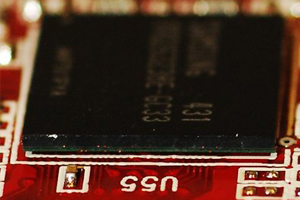
For product development to be successful and efficient, strategic outsourcing is often needed to reduce lead times, cut production costs and ensure improved product quality. This means selecting the right contract manufacturing supplier. When it comes to choosing your contract electronics manufacturer (CEM), there are five key factors to consider: 1. Contractor relationship You should always know who your point of contact is and feel comfortable communicating your needs, concerns and project requirements with them – and should be able to trust them to tell you if problems crop up or if there are any issues you need to address. 2. Capacity It is important to research a manufacturer’s suitable capacity for your production. If you have prototypes you could be better off choosing a CEM that can do a low-volume quick turnaround, for example. You also want to be sure your contractor has room to accommodate your business and grow production, so ask what their plan of action is if they earn enough business to operate at maximum capacity. 3. Cost Firstly, determine if price or delivery is of most importance to you; it may be that to achieve the cost required, you need to look at longer-term coverage and delivery options. Quick turn manufacturers may also cost more than those on standard lead-times. And if you have requested a quote from a company, don’t be shy in asking them to justify their price. 4. Location You should be able to communicate freely and effortlessly with your CEM on a potentially daily basis, so it’s important to consider whether to choose a UK or offshore contractor. A good CEM will be able to tell you why you should use their company as opposed to a foreign or domestic source, in relation to your specific project. Remember to clarify where they manufacturer the product as well. 5. Quality control Always ask your CEM if they have a dedicated quality manager and what quality control procedures they have in place. They should have the proper certifications for your specific product application if required and should be able to answer any questions you have about the production of your product; for example, what their corrective action process is or how they implement ‘new product integration’. Short-listing candidates Once you’ve narrowed down your potential manufacturers, it’s important to visit candidates in person to observe their operations and determine their capabilities. Enquire about their equipment purchases and look at their electric components stock as well; a financially stable company will be able to make significant hardware investments and can support advanced component purchase, which will create a smoother manufacturing process and reduce lead times. References from previous customers or past partnerships also offer valuable insights about the manufacturer’s capabilities, so be sure to consider these as well – especially references from companies which have outsourced similar processes to yours. There are many things to consider when choosing a CEM, but if you factor all of the above points into your decision-making, you will be able to make a more educated choice when it comes to beginning production on your project. Why work with EMS? At EMS, we offer class-leading PCB, cable and turnkey assembly solutions – as well as supply chain management, Automated Optical Inspection, and a range of Automated Test Solutions. All of our inspectors and operators are fully qualified to guarantee high-quality assembly processes at all stages of production, with all assemblies manufactured to the highest standards. We can offer fast turnaround times to meet your requirement and provide clear visibility at all stages of the EMS process to guarantee the required delivery date. Our purchasing power also provides significant cost down opportunities whilst maintaining on-time delivery and high-quality assemblies. To find out more about how we can help you, please visit www.emsolutionsuk.com or get in touch today to discuss your specific requirement in further detail with one of our sales representatives. By Jonathan Plummer, General Manager of Electronic Manufacturing Solutions
How warehouses can prepare for a No-Deal Brexit

by Emma Cook Last August, Theresa May advised UK firms to stockpile essential goods in preparation for a no deal exit from the European Union. A few months on, and with no deal looking ever more likely, businesses are questioning what their future looks like after 29th March. Despite being told that stockpiling ahead of Brexit is a ‘sensible’ idea by the prime minister, retailers and stockists have received no real guidance from the government in regards to what, and how, they should be stockpiling. Lack of clarity when it comes to who is expected to do what in the event of a no-deal Brexit, has left businesses having to prepare for any eventuality. And with the uncertainty of a post-Brexit Britain, many companies are making the decision to store a surplus of vital products. The guidance that has been given to businesses, suggested that they should consider setting up extra warehouses for storing goods in preparation for the inevitable delays after 29th March. Lorries from the EU currently take 2 minutes to be checked at the UK border, compared to non-EU lorries which take around 20 minutes. Meaning that, even in the best-case Brexit scenario, longer waiting times for goods transportation are unavoidable. A number of pharmaceutical companies have already confirmed that they have begun to stockpile products to ensure that patients don’t miss out on essential medicines in the wake of Brexit. Food is another particular concern. Less than half of all food consumed in the UK is currently supplied by UK-based producers, meaning that with increased trade restrictions, prices and wait times, it could be harder for consumers to get the food they want. A DEFRA report noted that 30% of the food we eat is currently imported from another EU country so, post-Brexit, we could witness a shortage in up to 30% of our food products if companies don’t begin to stockpile. But what will this stockpiling mean for British warehouses? The media warns that the UK doesn’t have enough storage to accommodate surplus stock, but this is not the case. There is adequate space- it is just in warehouses that are already in use. Most warehouses are only around 75% full or less, and by optimising their space they could capitalise on the extra storage currently going to waste. Making extra warehouse space available to other companies would not only be financially beneficial, but could be a way of spreading a positive brand message. Companies who offer their extra space will align themselves with the sharing economy, a modern movement predicted by many trend forecasting agencies such as LS:N Global and demonstrated by popular modern start-ups including Airbnb and Uber For businesses who use the extra space, storing extra goods will help to defend them against a potential slump in profits after Brexit. And with a number of leading companies including Airbus, the NHS and big-name supermarkets already confirming that they are beginning to compile extra goods, it’s clear that it is something we should all be doing. But how can warehouses capitalise on their extra storage and increase their space? There are some simple steps every warehouse-based business can take to quickly see an increase in their workspace and prepare for the implications of Brexit, whatever they may be. Introduce or revise your current inventory management system– keeping track of everything that enters and exits your building will ensure that no unnecessary room is taken by a product that should have already left your warehouse. Ensure equipment is up-to-date– equipment that works effectively will help to transport goods as quickly as possible, freeing up space more quickly, as well as preventing delays through machine downtime. Use the right packaging for each product– ensuring all your goods are stored in appropriate packaging will help to avoid excess space being dominated by products which do not need it. Organise workstations– this may sound simple, but is one of the easiest ways to quickly increase space. After a long day in the warehouse it’s easy to ignore tidying, but taking 5 minutes to declutter the space could transform your warehouse’s capabilities. Emma works with Multy Lift: a Midlands-based Mitsubishi forklift & manual handling equipment company.
Brexit Buffers – protecting your business

By Erica Wolfe-Murray No-one knows how Brexit will impact your business, whether it’s large, small or you’re self-employed. So here are some ideas to help build resilience against the potential rough waters ahead. 1. Introduce a pricing range If you don’t already, ensure you offer a spread of pricing models so customers with varying budgets can buy from you. Think about adding different ways of taking payment too if you don’t already do so – such as credit cards, Paypal etc. 2. Are there new marketplaces you can access? We are all using internet marketplaces to buy a wide range of products and services today. Have you considered how you can take advantage of this worldwide marketplace? Can you publish a book, a guide, online learning, list on AirBnB? 3. Add new revenue streams to build resilience in your business Most businesses in the UK only earn revenue in a couple of ways – for example selling a product or a service. They overlook the value of the actual knowledge they have about what they do. They don’t realise their understanding/behaviours of their market may also have value, or see how they can make more from their past customer/client list. Can you offer a new service to tap into the trend to repurpose or upcycle, for example? Is it worth re-contacting past clients to offer a regular service contract or a subscription payment model? Have you thought of using your knowledge to teach short courses – either in person or online? Is there an event you could run – perhaps working with a couple of other local businesses? 4. Hyper-local + regional + national + international market offer Many businesses and freelancers gain work from a relatively small geographical radius. Can you apply this hyper-local business model to a wider region, to a national or international market? There will be many similar businesses like yours selling in their hyper-local markets too – if you can do something new in yours, can you then train/support others to deliver it in theirs? This could be a licensing/franchising type model that might have value, both in the UK and internationally. So be imaginative using all the different intellectual assets that exist in your current business. It will help you face the future with resilience. But start planning now ahead of your competitors, not when you start to feel the cold winds of downturn. Erica Wolfe-Murray is the UK’s leading business expert. Her new book‘Simple Tips Smart Ideas’ is out 24th January.
Bogus manuals, putting safety at risk, highlight SELECT’s campaign for professional recognition of electricians

The ongoing threat of poor and potentially dangerous electrical work has been highlighted once again by SELECT, the industry body for Scotland’s electricians, as it is revealed that counterfeit copies of vital wiring regulations are being offered for sale. The bogus PDF copies of BS7671:2018, the IET (Institution of Engineering and Technology) Wiring Regulations, could be devastating for electrical professionals, with missing or corrupted information potentially leading to unsafe work and risking fire, electric shock or even death. The latest counterfeiting activity reinforces the message that SELECT has been promoting in the Scottish Parliament in its campaign, backed by the Scottish Joint Industry Board and Unite the Union, for recognition of electricians as a profession. SELECT’s case was pressed recently (October) in a Holyrood debate in which evidence was presented of unqualified and under-qualified people who masquerade as electricians endangering public safety by carrying out work across Scotland. Dave Forrester, Head of Technical Services at SELECT, said: “Only a short time after the issue of safety was debated in the Scottish Parliament, we have now uncovered bogus British Standards and other manuals being offered online to companies which will put consumers in further jeopardy”. Mark Coles, Head of Technical Regulations at the IET, said that the fake PDFs, which were being distributed through a variety of channels, looked “convincing” on the first inspection. However, they are sprinkled with errors and corrupted information. The IET is now taking action to combat the counterfeiters by inserting a hologram in its Regulations, commonly known as the 18th Edition, to help users identify genuine copies. It contains the IET logo and the word “Genuine”. Mr Coles said: “Ensuring that genuine copies of IET publications are being used by electrical professionals is important in order that correct standards are used to protect the public and those working in the industry from injury and fatality.” SELECT’s campaign for protection of title has been at the forefront of its work following a speech by a Government Minister at a European electrical contractors’ conference in Edinburgh in 2015. It has been supported by unions, trade bodies and politicians from all parties. Jamie Hepburn, Minister for Business, Fair Work and Skills, recently said in Parliament that discussions would continue with the aim of bringing a Ministerial view to Parliament in due course. SELECT’s 1250 member companies account for around 90% of all electrical installation work carried out in Scotland. They have a collective turnover of around £1 billion and provide employment for 15,000 people. For more information please contact Alan Wilson, Acting Managing Director at SELECT, the Electrical Contractors’ Association of Scotland, The Walled Garden, Bush Estate, Midlothian, EH26 0SB. T: 0131 445 5577. F: 0131 445 5548. E: admin@select.org.uk. W: www.select.org.uk Twitter: http://twitter.com/updates_select YouTube: https://www.youtube.com/channel/UCWJVjt14CvIig8bIKwidVug
Indoor Air Quality: Addressing The Issue

Lee Stones, senior product marketing manager at Glen Dimplex Heating & Ventilation, which includes the Xpelair brand, looks at the issue of indoor air quality – and how electricians can support their customers in helping to improve the quality of air we breathe through effective ventilation products. When the Government published its draft Clean Air Strategy for consultation last year, it set out plans to tackle emissions from a range of sources, including agriculture, industry and homes. Acknowledging that air pollution is about more than roadside emissions from diesel cars, the document raises – amongst other issues – the emerging health issue of indoor air quality. And in doing so, it reinvigorated the focus placed on the quality of the air we breathe indoors. A vital issue The Clean Air Strategy notes that up to 90% of our time is spent indoors and despite years of debate around the detrimental impact of poor pollution outdoors, taking measures to identify and improve the quality of the air we breathe inside our homes and other buildings is a relatively new (yet rapidly growing) notion. In fact, the levels of some air pollutants are often far higher inside than they are outside1. The biggest cause of poor indoor air quality is Volatile Organic Compounds (VOCs), which can be emitted from a whole host of everyday items such as furniture, carpets, paints, cleaning products and even building fabrics and materials. VOCs can be detrimental to a person’s health, especially when exposed to them for long periods of time. They can also aggravate pre-existing health conditions and cause fatigue, dizziness and headaches. Moisture is another source of poor air quality, with a risk of mould in bathrooms or from drying damp clothes, whilst carbon monoxide, odours, carbon dioxide and tobacco smoke are all known pollutants in buildings too. The effects of all these issues will be further increased as increasingly stringent energy efficiency targets have driven the development of better insulated buildings, leading to a decrease in natural ventilation and even more air tightness in properties. Domestic solutions Whilst this is a huge issue for customers working in commercial sectors such as offices, education and healthcare, the issue applies inside the home too. Especially in light of the dramatic changes we have seen in building standards and efficiency targets in recent years which have ensured new homes are warmer and more energy efficient, but they are unable to breathe naturally. Part F of the Building Regulations states that there are four categories of ventilation product that an installer can choose from: Intermittent extract fans and background ventilators, passive stack ventilation, centralised or de-centralised mechanical extract, or Mechanical Ventilation with Heat Recovery (MVHR) Each have their own advantages and disadvantages, with different categories better suited for individual properties, requirements or circumstances, but manufacturers have responded to the challenges with continued development of products across all categories. Harnessing the power of MVHR With growing awareness of indoor air quality, however, it is MVHR which seen the most rapid development and deployment in recent years. Offering the opportunity to extract air from the building through a central heat exchanger and recover heat back into the air supply, the concept of MVHR is gaining traction as a method of enabling energy recovery whilst addressing health concerns through a cost-effective, mechanical, balanced ventilation system. In fact, MVHR is fast becoming the only ventilation system that meets building requirements. It offers the benefit of providing ventilation that both supplies and extracts air through a property, whilst constantly supplying fresh filtered air. To increase their effectiveness, the latest MVHR systems from leading manufacturers offer a host of features including ultra-fine filters, PIR sensor activity for enhanced efficiency and cold-climate pre-heating. Uniquely, Xpelair’s Natural Air 180 also uses adaptiflow technology to deliver a constant volume of extracted air, thus giving homeowners assurance of the performance being delivered. Ingredients for clean indoor air Ventilation is not a one-size-fits-all approach and whichever sector you operate in, the one constant of a modern ventilation system is the need to balance energy efficiency with management of indoor air quality. With modern ventilation systems, evolving Building Regulations and a greater focus on management of indoor air quality, this is now more accessible than ever. www.xpelair.co.uk
Comment from Paul Collins, Technical and Training Manager, Hager on the implementation of the 18th Edition of the IET Wiring Regulations:

“With the new IET Wiring Regulations coming into force on 1st January 2019, we understand many electrical contractors still do not feel ready for the mandatory changes. We’ve gathered feedback from across the industry and we continue to listen to electricians’ concerns regarding the changes and, not all of them feel fully prepared for operating within the new regulatory landscape. In particular, a major area of concern is surrounding issues on surge protection. “Following a well-publicised six-month period which pre-empted the arrival of the 18th Edition, it is clear more still needs to be done throughout the sector to support electricians to successfully navigate the new regulations. “Any electrical professionals who feel they need more support, can access help and advice from Hager. For example, our online chatbot is an accessible source of easy-to-understand information, while our 18th Edition themed training courses held at our Telford HQ have already proven very popular in the run up to 1st January. We will continue running the courses throughout 2019.” For more information on the 18th Edition, visit: www.hager.co.uk/18thEdition
SELECT welcomes Scottish Government consultation on cash retentions in construction contracts

SELECT, has welcomed moves by the Scottish Government to take action on one of the industry’s main problem areas – cash retentions. A public consultation on the use of retentions in construction contracts will take place in spring next year. This will be, in advance of any announcement on the matter in the Westminster parliament. The move follows long-term campaigning by SELECT and the Specialist Engineering Contractors’ (SEC) Group, both of which have proposed placing all retentions into a trust-based deposit scheme. Jamie Hepburn, the Scottish Minister for Business, Fair Work and Skills, said in announcing the move: “Cash retention in construction industry contracts is common practice, including in the public sector. Its purpose is to ensure the contractor completes the job. However, it must be used proportionately and responsibly.” Alan Wilson, Acting Managing Director of SELECT, said: “We wholeheartedly support action on this troubling issue and look forward to positive developments in the upcoming Holyrood consultation” Rudi Klein, chief executive of the SEC Group, said: “After many years, it seems that we are now making progress towards protecting cash retentions. It’s great to see the Scottish Governmenttaking the lead on this.” Many in the construction industry have expressed concern about the abuse of retentions in contracts. Prompt and fair payment has been a long-standing issue and these are undoubtedly barriers to investment, productivity improvement and growth. SELECT’s 1250 member companies account for around 90% of all electrical installation work carried out in Scotland. They have a collective turnover of around £1 billion and provide employment for 15,000 people. For more information please contact Alan Wilson, Acting Managing Director at SELECT, the Electrical Contractors’ Association of Scotland, The Walled Garden, Bush Estate, Midlothian, EH26 0SB. T: 0131 445 5577. F: 0131 445 5548. E: admin@select.org.uk. W: www.select.org.uk Twitter: http://twitter.com/updates_select YouTube: https://www.youtube.com/channel/UCWJVjt14CvIig8bIKwidVug
