



NAPIT Supports the Samaritans Who Are There 24/7
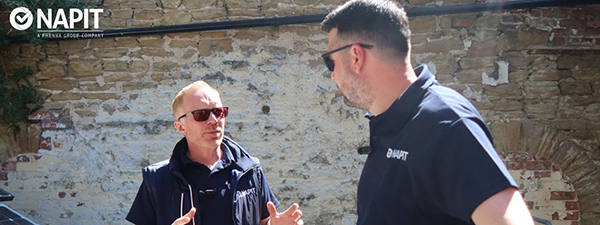
Samaritans offer emotional support 24 hours a day, 7 days a week, 365 days a year, to anyone who is in distress, lonely, struggling to cope, or feeling suicidal. To show their support, NAPIT has been fundraising for the charity throughout this year, as well as marking Samaritans Awareness Day which took place on July 24th. To mark this day, NAPIT want to raise awareness surrounding listening. Samaritans Awareness Day, 24/7, raises awareness that Samaritans are there to listen without judgment or pressure. In a report by Ironmongery Direct, 56% of tradespeople revealed that they don’t talk to anyone about their mental health. Opening up and having someone to talk to is a positive start to addressing mental well-being. Whether that be a helpline like the Samaritans, a colleague, a close friend or a family member, having someone to talk to can be a reminder that you are not alone. The Samaritans shared information on the importance of having someone there to listen can help those who are struggling work through what’s going on and feel better able to cope. Conversations can help remove the stigma surrounding mental health for tradespeople. The Samaritans state that ‘You don’t have to be an expert to help someone open up when something’s up. The fact that you care is what matters.’ The charity has put together some tips to help you spot when something might be up, open up a conversation and be a good listener. These are some of the signs that someone may not be okay: Don’t be shy to ask how someone’s feeling: Showing you care builds trust to open up: Stephen Melton, Commercial and Compliance Director, said: “NAPIT are proud to support Samaritans, an incredible cause that is needed now more than ever. A male-dominated industry doesn’t have to be lonely; opening up and being vulnerable is a step closer to breaking the stigma. “It’s important that stakeholders and tradespeople continue to put out this messaging in hopes of encouraging more conversations in the industry. We look forward to our upcoming fundraising events and will continue to emphasise the importance of mental well-being.” To learn more about the NAPIT fundraising efforts or to get involved, visit their JustGiving page. Samaritans contact details The Samaritans offer emotional support 24 hours a day, in full confidence. Writing an email can be a calm and safe way to work through what’s on your mind. Samaritans volunteers answer each email that comes through to jo@samaritans.org It may take several days to receive a reply by email. If you need someone straight away, you can call 116 123 any time, day or night. Download The Samaritans ‘Little Tips’ poster.
ECA influences electrical safety guidance launched across the UK
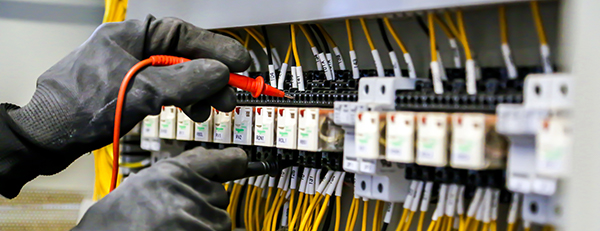
ECA Members (Electrical Contractors’ Association) have been instrumental in new safety guidance that has been published by the Energy Networks Association (ENA), about how to ensure safety with secondary low-voltage electrical supplies. This could play a major role in applications for life safety services and the roll-out of electrification such as electric vehicle charging. Buildings such as hospitals and high-risk residential buildings, rely on this secondary source of energy supply, which is usually conducted through generators. These generators ensure consistent, uninterrupted use in the event of a power cut or fire. This can be lifesaving in situations such as when surgery is taking place, or when fire alarms and sprinklers need to be activated. In 2023, ECA Members told the trade association that it was difficult to apply for multiple low voltage supplies where additional capacity or a secondary source was required. This was as a result of having to navigate a myriad of operators which manage the electrical distribution across the UK, and inconsistencies with guidance between them. ECA met and worked together with the ENA to discuss these issues brought forward by electrical industry leaders, to find solutions. The ENA took all comments into consideration when it was producing this guidance known as Engineering Recommendations G94 Managing the Risks Associated with the Provision of Multiple Connections in Close Proximity. Darren Crannis, Technical Manager at ECA, said: “Back in 2023, many of our Members faced real challenges when applying for multiple low-voltage supplies—especially to support growth and the rollout of low carbon technologies like EV charging. “Through a series of roundtable discussions and close collaboration with the ENA, we helped shape Engineering Recommendation G94. “This new guidance provides much-needed clarity and consistency for managing the risks of multiple connections in close proximity. We’re proud to have contributed to its development and fully welcome its publication.” G94 can be downloaded for free at: https://www.ena-eng.org/ena-docs
Cenex and Energy Saving Trust to Support New UK Depot Charging Scheme

Cenex, in partnership with Energy Saving Trust, has been selected to assist in delivering the UK Government’s new Depot Charging Scheme (DCS). This £30 million investment is expected to support the installation of over 3,000 van and 200 HGV chargepoints, helping reduce business costs, boost operational efficiency, and accelerate the adoption of zero emission vehicles. Funded by the Department for Transport (DfT) and administered by the Government Grants Management Service (GGMS), this scheme will provide targeted financial support to assist businesses and local authorities in installing the necessary infrastructure for charging zero emission heavy goods vehicles (HGVs), vans, and coaches. Commercial transport accounts for more than a third of domestic transport CO₂ emissions, making the electrification of depots crucial for decarbonising the UK’s logistics and coach travel sectors. By promoting the installation of charging infrastructure, the government intends to instil confidence in the logistics sector and help British businesses transition to zero emission operations. Through the Depot Charging Scheme, Cenex and Energy Saving Trust will collaborate to provide specialised technical support to both grant applicants and the grant administrators. This support includes: Cenex and Energy Saving Trust bring 20 years of specialised expertise in the zero emission commercial vehicle sector, delivering trusted and evidence-based analysis. With extensive experience in strategic planning for fleet transition and techno-economic assessments, Cenex collaborates closely with original equipment manufacturers (OEMs), charge point providers, and distribution network operators (DNOs). This collaboration ensures a thorough and robust approach to establishing an evidence-based cost benchmark. The consortium’s combined experience of over 50 years in grant administration and transport decarbonisation provides the deep, hands-on knowledge of EVs and electric vehicle infrastructure (EVI) that is essential for the project’s success. The consortium, consisting of Cenex and Energy Saving Trust, aims to complete the overall project by the end of March 2026. The Depot Charging Scheme grant is scheduled to open on 16 July 2025 and will be available to HGV, van, and coach fleet operators throughout the UK. Eligible businesses will have the opportunity to claim reimbursement of up to 75% of the costs associated with charger procurement and installation, with a cap of £1 million per applicant applicable to all sites. The grant will remain available until the allocated funding has been exhausted or until 28 November 2025, whichever occurs first. Chris Rimmer, Head of Department, Policy, Strategy and Implementation, Cenex said: “We are delighted to be supporting this scheme with expert input from the Cenex and Energy Saving Trust. Facilitating the deployment of quality infrastructure into depots will be a crucial step in accelerating the electrification of vans, coaches and HGVs, which are the next big challenge for transport decarbonisation” Nick Harvey, Senior Programme Manager at Energy Saving Trust, said: “For many years, Energy Saving Trust has been a trusted source of expert advice and support to UK fleets on the road to decarbonisation. This new scheme is vital, as it directly addresses one of the main barriers: the cost of installing charging infrastructure. We’re proud to partner with Cenex to provide the expert guidance businesses need to reduce their emissions and lower running costs by making a confident switch to electric vehicles.”
Supporting the Next Generation of Electricians for World Youth Skills Day

World Youth Skills Day, celebrated annually on July 15th, empowers young people with the skills they need to step into employment. At NAPIT, we aim to give young people a ‘foundation for success’ so they can thrive at every step of their career journey. NAPIT works with a number of colleges and organisations in the UK through its initiative, NAPIT Foundation, supporting apprentices, students and lecturers. NAPIT Foundation is a free membership that provides a strong foundation to both students and lecturers with expert technical support and resources. The initiative also aims to assist with both the practical and theoretical aspects of training. NAPIT Foundation members can access educational resources, technical guidance, CPD opportunities, and regular industry updates. Every month, NAPIT releases a new technical webinar by our experts on industry topics where students can join in the live events. There are also opportunities for exclusive NAPIT Technical Workshops at colleges and training centres. We recognise the importance of World Youth Skills Day and hope to encourage more young people to seek learning opportunities to grow their skills. NAPIT Managing Director Frank Bertie said: “NAPIT are proud to support World Youth Skills Day 2025. We are pleased to be able to support the next generation of electricians who are entering the industry and eager to learn and develop their skills.” Find out more about NAPIT Foundation here
MagnaStep: The UK-Made Step Ladder Engineered for Electrical Contractors
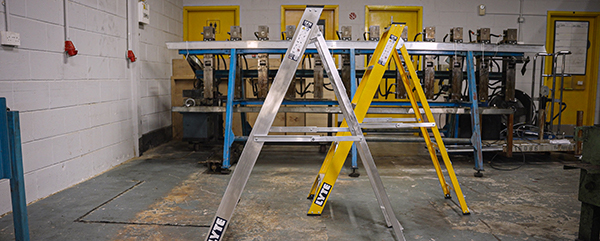
Lyte Ladders & Towers has unveiled its next generation of step ladders, MagnaStep, designed for trade professionals who rely on safety, durability, and efficient design. For electrical contractors working in high-risk environments, the glassfibre models in the MagnaStep range offer non-conductive protection alongside enhanced working height and durability. Manufactured in Swansea, MagnaStep is Made in Britain to meet the highest safety and sustainability standards. The range includes Swingback Steps, Platform Steps, and Widesteps in both glassfibre (non-conductive) and aluminium options – catering to electricians, facilities maintenance professionals, and contractors alike. Innovative Design, Built for Everyday Use The glassfibre MagnaStep models are designed for those working around electrics, with durable glassfibre stiles to reduce the risk of electrical conduction. They have also been certified to EN131 Professional, giving contractors confidence when working on lighting, data systems, distribution boards or elevated cable runs. Key features across the range include: MagnaStep: For Trade Professionals Who Won’t Compromise Whether working on commercial installations, industrial fitouts, or reactive maintenance jobs, MagnaStep gives electrical contractors the reliability and safety they need day in, day out. “We’ve designed MagnaStep with the end user in mind,” says Stuart Price, Managing Director of Lyte Ladders & Towers. “It’s heavy-duty for frequent professional use, has innovative features to maximise on-site productivity, and repairable to maximise its lifespan. It also reflects our ongoing commitment to UK manufacturing and low-carbon product innovation.” Now Available for Trade Supply MagnaStep is in stock and available via Lyte distributors, trade merchants, and online retailers now. 📧 sales@lyteladders.co.uk📞 01792 796666 About Lyte Ladders & Towers With over 75 years of manufacturing expertise, Lyte Ladders is the UK’s leading supplier of ladders and access solutions to professionals across electrical, construction, and facilities sectors. Based in a solar-powered factory in South Wales, Lyte champions British-made access equipment that’s built to last and engineered for performance. Media Contact:Rhian GilesMarketing Manager📧 rhian.giles@lyteladders.co.uk📞 01792 796666
Setting the Standard in Insulated Gloves – Your First & Last Line of Shock Defence
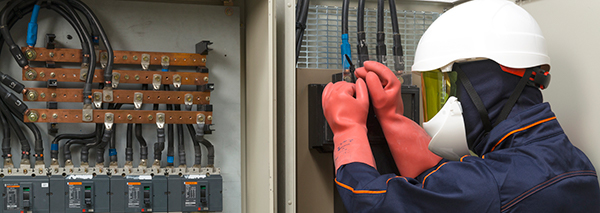
REGELTEX, the renowned French manufacturer of high-performance insulated gloves, continues to lead the market in electrical safety solutions with its innovative range of insulated gloves designed for a wide array of industries involving high and medium voltage electricity and switching gear. Since its founding in 1932, REGELTEX has remained committed to excellence, sustainability, and user safety. REGELTEX gloves are manufactured the ISO 9001:2015 certification, ensuring the highest standards of quality control throughout every stage of production. The quality assurance laboratory is integrated into the production site which allows REGELTEX to carry out all the tests according to applicable EN 60903 and IEC 60903 standards. The quality approach with visual and dielectric inspection of 100% of the production offers users the guarantee of conformity. The range is complemented with GLE ELECTROVOLT insulated gloves, which are made from natural rubber and available in all classes; many sizes, lengths and colours. Leather protectors are recommended to be worn over GLE ELECTROVOLT gloves to ensure mechanical protection (local regulations, work practices, and risk analysis apply). As rubber provides dielectric properties, the REGELTEX technique and expertise makes the gloves as thin as possible in order to offer the maximum level of dexterity to the users. Their ergonomic shape and lightly powdered interior make the GLE ELECTROVOLT gloves easy for donning and doffing. REGELTEX Arc Flash & Grip composite gloves offer three-in-one benefits, combining dielectric, mechanical and thermal (arc flash) resistance. The specially formulated outer coating provides exceptional grip, even in humid or greasy conditions. For over 90 years, REGELTEX has been at the forefront of insulated glove innovation. The company remains dedicated to producing safe, sustainable, and reliable protective equipment for professionals working in high-risk electrical environments. REGELTEX is available in the UK and Ireland through leading electrical safety solutions manufacturer and distributer, PENTA Electrical Safety Products. For more details visit pentaesp.com
What is the Theft of Tools of Trade (Sentencing) Bill?

Tool theft is a plight on tradespeople throughout the UK, with 4 in 10 having experienced the crime. However, significant changes could be on the horizon, with the second reading of the Theft of Tools of Trade (Sentencing) Bill set to take place on the 4th July. A common issue raised is the sentencing of the thieves that are responsible, with many in the construction sector feeling that the punishment isn’t severe enough for the crime, due to the significant impact tool theft has on tradespeople’s livelihoods. However, the Bill looks to impose harsher penalties for the theft of tools used in trades. Rob Rees, Divisional Director at Markel Direct, trades insurance provider, explains the Bill and outlines how tradespeople can proactively prevent their tools being stolen. What does the Theft of Tools of Trade (Sentencing) Bill aim to do? The purpose of this Bill is to amend current sentencing guidelines to impose harsher penalties for the theft of tools used in trades. Currently, tool theft is categorised as ‘harm category 3’, because most instances of theft are of a value under £10,000. The Bill proposes that tool theft should be reclassified as causing ‘significant additional harm’ to the victim of the theft, which would enable magistrates to increase the severity of the offence to ‘harm category 2’ when it comes to the sentencing – even if the value of the theft is under £10,000. Additionally, the Bill is looking to standardise the calculation of financial loss to include not only the physical cost of the tool itself, but the additional costs that often come with tool theft such as: What is the current status of the Bill? The second reading takes place on the 4th July 2025, and will be the first opportunity for MPs to debate the main principles of the Bill. Amanda Martin, MP for Portsmouth North and the MP responsible for the bill, will open the second reading debate. When the debate concludes, the Commons decides whether a Bill should be progressed to the next stage by voting. For more details on the Bill and its progress, you can visit the UK Parliament’s official page: https://Bills.parliament.uk/Bills/3908. How can tradespeople prevent their tools from being stolen? While the Bill is a positive step towards deterring tool theft, the process for it to become law will take time and is several months away (should the Bill proceed). However, tool theft is often conducted by opportunists, so by taking measures to secure their tools, tradespeople can put off potential thieves. We have outlined our top five recommendations below. 1. Enhanced security measures on vehicles Installing alarms or enhanced van locks (e.g. double deadlocks, slam locks or lock protection plates) can help to deter thieves. Consider installing dashcams or interior cameras in the van itself, and ensuring that the area the van is parked in is well-lit and secured area where possible. 2. Remove tools from vehicles overnight 41% of tool theft occurs from vans that are parked at home – yet only 2% of tool theft occurs inside the home itself. Whilst it may seem like an inconvenience, parked vans are a target for tool thieves and taking your tools out of your vehicle at the end of the day will significantly reduce the risk of them being stolen. 3. Invest in video security if you park at home Installing video doorbells and CCTV at home not only acts as a visible deterrent to would-be thieves, but can also act as evidence should the worst happen. With the introduction of battery powered devices in recent year, it is a relatively low-cost and straightforward way to put off tool thieves. 4. Tool marking, registration and tracking Taking a proactive approach that makes tools unattractive to criminals can include: 5. Arrange tools insurance By arranging an appropriate level of tools insurance, you can cover the cost of replacing your equipment if it is stolen. It’s worth checking that your policy can provide cover on a 24-hour basis should you need it, and choosing an insurer with a reputable claims team that settle claims quickly to minimise disruption to your business. The Theft of Tools of Trade (Sentencing) Bill will be a positive step for the trades and construction sector, with harsher penalties acting as a potential deterrent for thieves. However, it’s never been more important for tradespeople to protect their tools through proactive measures to prevent theft, and insurance cover that will provide peace of mind should the worst happen. To find out more, visit the Markel Direct website.
Wired for Vision: How Live Video Is Powering the Electrical Industry

In the electrical industry, precision, safety and accountability are the foundation of every project. Whether installing a 480V panel in a manufacturing plant or troubleshooting emergency power in a hospital, contractors are constantly juggling tight deadlines, complex systems and evolving compliance standards. In today’s electrical industry, where tight schedules, code compliance and skilled labour shortages collide, contractors are turning to an unexpected software: live video. Once confined to office meetings, live video is now a frontline asset, used for real-time support, virtual inspections and client walkthroughs. According to the 2025 Remote and Hybrid Work In The Electrical Industry Statistics Gitnux report, “28% of projects are now managed virtually without in-person meetings.” Closing the Skill Gap in Real Time A persistent challenge in the industry is the shortage of experienced electricians. According to CNBC, only 7,000 new electricians enter the workforce each year, while 10,000 exit. Veteran journeymen are retiring, and incoming workers often require extensive hands-on training. While larger firms may offer premium salaries and signing bonuses, many smaller contractors can’t compete with those incentives. A practical solution is video call training, which allows seasoned electricians to guide and support less experienced workers in real time, bridging the skills gap without the high cost of in-person training. Field technicians, especially those younger or less experienced, can use video calls to connect instantly with a supervisor or master electrician back at the office or on another site. Instead of struggling to explain an unfamiliar breaker configuration over the phone, they can point their camera and get instant feedback. This not only reduces errors and return visits, but also accelerates learning. It’s real-time mentoring, and it helps stretch your senior team’s impact without requiring them to be everywhere at once. At the same time, those sessions can be recorded and stored, then shared with those who need them whenever needed. Inspections Without Delay Live video is also changing how electrical contractors approach inspections and project sign-offs. In some jurisdictions, local inspectors are allowing virtual walkthroughs for low-voltage systems or mid-project checkpoints. Contractors can stream video directly to AHJs (Authorities Having Jurisdiction), walking them through the installation while answering questions in real time. Even when not used for formal inspections, live video allows project managers and contractors to perform site checks without traveling. It’s especially useful when dealing with scope changes; live video minimizes back-and-forth and keeps everyone aligned. Contractors can also use recorded video clips to create an internal archive of installed work, which is useful for warranty documentation or when responding to disputes down the line, and ensure safety compliance. Streamlining Jobsite Communication Electrical job sites are ever-changing. Projects overlap, conditions change and coordination with other contractors can be challenging. With so many moving parts, miscommunication between teams, subcontractors and project managers can quickly lead to delays, rework and even safety hazards. Live video is helping operations teams cut through the noise. Instead of waiting for a site visit to verify installation progress or resolve a layout conflict, teams are hopping on quick video calls to confirm conduit runs, panel placement or lighting layouts. In a trade where precision matters and timelines are tight, the ability to see it now rather than find out later is transforming how teams communicate and collaborate. Elevating the Client Experience Customer expectations are evolving rapidly, with facility managers and property owners now demanding greater transparency, thorough documentation and faster communication. In response, many electrical contractors are turning to live video as a powerful platform to meet these new standards. Live video enables contractors to walk clients through installations, provide virtual progress updates and even troubleshoot issues remotely. Service departments also benefit significantly. A quick five-minute video call with a customer can help determine whether an issue is as simple as a tripped breaker or a more serious wiring problem, avoiding unnecessary truck rolls and improving dispatch efficiency. What’s Next for the Electrical Industry? Looking ahead, live video is expected to further integrate with job management systems, digital plans and compliance software. Features like automatic recording, cloud-based storage and searchable video logs are already helping contractors tie live video into daily operations. Pairing live video with AI tools is gaining momentum, for example, real-time wire identification, code-checking overlays or even AI-generated summary notes from recorded walkthroughs. These innovations aren’t replacing skilled labor—they’re amplifying it. They reduce friction between field and office, cut down on miscommunication and help electricians stay focused on doing quality, code-compliant work. Electrical work is hands-on, but that doesn’t mean it can’t be smart. With platforms like Microsoft Teams, Zoom and LiveSwitch being used for real-world job sites, live video is giving contractors a new way to stay connected, improve safety, speed up workflows and deliver better service, without increasing operational burden. In a trade where every second counts, seeing the problem now means solving it faster—and getting ahead while others are still on hold. By James Hatfield, Chief Revenue Officer at LiveSwitch
SELECT says the apprenticeship funding gap is unacceptable

Scotland could suffer the loss of a generation of highly skilled electrical workers because of a growing discrepancy in apprenticeship funding, the country’s largest construction trade body SELECT, has warned. The electrotechnical association has reacted to the announcement of a 15% grant funding increase for English electrical apprenticeships, which brings funding south of the border to £23,000 per apprentice – almost three times the current Scottish figure of just under £8,000. SELECT Managing Director Alan Wilson said: “Funding for apprenticeships in Scotland hasn’t increased in more than seven years and has actually reduced by more than 30% in real terms as a result of inflation. “We cannot begin to have a renewables future in Scotland without electricians, so the Scottish Government must find the cash. A two-tier system is entirely unacceptable.” Skills England, a government agency of the UK’s Department for Education, confirmed the apprenticeship funding rise earlier this month to The Electrotechnical Skills Partnership (TESP), which delivers skills projects and careers information for the electrotechnical industry. TESP said: “Skills England has advised us that the Secretary of State has accepted its funding recommendation of £23,000 for the Installation & Maintenance Electrician apprenticeship. This represents an increase of £3,000 on the current funding band.” It added that this was “a very good result in the current climate” and thanked employers and providers who worked with TESP to develop the evidence base to secure the increase. In Scotland, electrical apprenticeships are offered through Skills Development Scotland’s Modern Apprenticeship programmes, which provide paid, on-the-job training programmes that combine work with industry-recognised qualifications. And Mr Wilson added: “Scotland absolutely must not be left behind when it comes to apprenticeship funding. “There is the clear danger of a two-tier system, with Scottish industry losing out to England’s, as well as a very real risk that we will lose a generation of skilled electrical talent when we can least afford it.” SELECT’s warning comes after it recently described the UK government’s tough new immigration proposals as a “ticking time bomb” for Scottish construction, with the risk of skilled contractors heading south to replace foreign workers. The association – which is currently celebrating its 125th anniversary – said the proposals to raise the qualification standards for foreign workers could see a significant number abandoning the UK and returning home, with Scottish construction workers flooding south to fill the resulting shortage south of the Border. Mr Wilson said: “The construction sector is a vital pillar of the Scottish economy, supporting infrastructure development, housing delivery and the green transition, yet it is experiencing a persistent and growing skills shortage already.”
