



Heat Trace Limited – Keeping your Systems Flowing
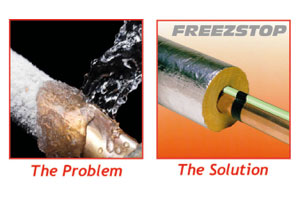
Trace heating can add a lucrative dimension to Electrical Contractors existing services. The most common applications include freeze protection for water supplies and temperature maintenance for fuel, hot water heating for domestic and commercial purposes; and, snow and ice prevention for roof, gutters, paths, ramps and driveways, etc. Other applications include pipelines, surface area heating, maintain and raise temperatures on all applications. All applications have a simple solution – the design and installation of cut-to-length, self-regulating heating cables. Heat Trace Limited, a privately owned UK company established in 1974, is globally recognised for their innovation in the world of Electric Trace Heating. As well as manufacturing and supplying tracing heating cables, Heat Trace Limited can provide full turnkey systems across the whole of the UK. This includes a full design, installation and maintenance package by ETHIC accredited engineers. Freeze Protection of Pipe Work Whilst thermal insulation slows down the rate of heat loss from pipes, it is insufficient to prevent freezing if low temperature conditions persist. A 25mm bore pipe at 5°C that has been fitted with 25mm of thick thermal insulation will reach freezing point within one hour in an ambient temperature of just minus 10°C! However, an electric trace heating cable, fitted beneath the thermal insulation, will compensate for heat losses and ensure that the pipe temperature remains above freezing, even under the worst conditions. A simple air thermostat can control the system and will only energise when low ambient temperatures are detected. Snow and Ice Prevention Systems Manually clearing of snow and ice is time consuming, temporary, hazardous and expensive. The installation of an electric heating cable, embedded in the concrete, ensures that the area is always kept clear of snow and ice. Snow building up on roofs can cause problems. Melted snow or water can freeze in gutters and drainpipes and build up until the flow is blocked, damaging drains and gutters. Additionally, water can get into the roof and building, which leads to expensive structural damage such as broken roof tiles, damaged plaster and facades. Installing an electric heat tracing cable in the gutters and drainpipes ensures that water is kept freely flowing. In all of these applications, a self-regulating heating cable together with an efficient control system, that only energises the heaters when necessary, makes for a very economical system. When potential hazards are identified, Heat Trace Limited’s systems provide the solutions. For more information or a quote, please contact: Andy Townley UK Engineering & Sales Manager +44 (0) 7944756439 George Warner Project Engineer & UK Sales +44 (0) 7960751096 info@heat-trace.com +44 (0) 1928 726 451 Heat Trace Limited, Mere’s Edge, Chester Road, Helsby, Frodsham, Cheshire, WA6 0DJ
HR issues you should consider when planning the office party

With many companies planning their Christmas parties as early as January, festive planning is now a year-round task. The opportunity to let your hair down and enjoy casual drinks with the rest of your colleagues may be an exciting prospect – but there are HR issues to consider. Naturally, as the Christmas party draws near the anticipation can become overexcitement in some cases, which can lead to some workers over-indulging and becoming a bit too merry. Whilst no-one wants to play the Grinch and stop people from enjoying themselves, it is worth reminding colleagues that the Christmas party is essentially an extension of the workplace and the same rules and expectations apply. The potential problems Although the party may take place outside of the workplace and normal office hours, there remains the risk that an employer will be liable for the actions of its staff. Unfortunately, consuming high volumes of alcohol can be the catalyst for serious legal issues, with incidents of discrimination or harassment not uncommon; people can sometimes act out of character in a way they would never dream of when sober. For those eager at first to calm any workplace nerves, the availability of alcohol and the relaxed social environment may offer comfort but soon festivities can easily spill over, and sexual harassment is a common issue that may ensue as a result. Accusations of discrimination on the grounds of age, race or sexual orientation can also occur – I’m sure we can all picture the type of unsavoury scenario described. Protect your organisation After a few too many drinks, emotions can become heightened and this can create all sorts of issues when out with work colleagues. If there are any existing workplace tensions then these can be strained further, as inebriated individuals decide to raise the issue with other members of staff, which can quickly escalate into a verbal or physical confrontation. This type of unacceptable behaviour could lead to claims for potentially unlimited compensation, not to mention the significant amount of time and effort senior management must invest into the subsequent investigation and disciplinary process. If the back to work blues weren’t already bad enough in January, these anxieties can be enhanced when employment lawyers are called to deal with an incident from the Christmas party. There are several steps that organisations should follow to avoid becoming that client: Don’t leave anybody out – every member of staff should be invited to the Christmas party, regardless of whether they are ill or on leave, as not doing so could result in claims of discrimination; When employees can bring partners, be sure not to discriminate on the grounds of sexual orientation and don’t assume all partners will be of the opposite sex; Ensure that you have an equal opportunities/anti-harassment policy in place; Remind workers before the party that the same code of conduct applies, and that any instances of harassment, discrimination or violence will not be tolerated under any circumstances; Tell employees to enjoy themselves and have a good time, but remind them that inappropriate behaviour will not be tolerated and could result in disciplinary action; Brief hired entertainers to help ensure they avoid telling any racist, sexist or offensive jokes. Employers have a duty to protect employees from any unwanted conduct and could be liable for harassment claims; Consider limiting the bar tab. Providing limitless amounts of alcohol to employees, without monitoring who is drinking what is not only irresponsible, it can also increase the likelihood of a serious issue occurring; Consider appointing a senior, responsible employee to stay sober, monitor behaviour and step in if necessary. Festive gifts or bribery? It is important that organisations keep a close eye on the gifts they purchase for other clients and businesses, as there could be potential liability under the Bribery Act 2010. Failing to prevent bribery in the workplace is strict liability, and employers must show that it has ‘adequate procedures’ in place to successfully defend against such a case. Regardless of size, all organisations should have policies in place to remind employees of what is acceptable, as liability can arise from both offering and receiving bribes. Of course, reasonable gifts and hospitality, such as a hamper or invitation to lunch, should not be a problem, but if employees are suddenly flown out for a sunny Christmas in the Bahamas, then questions will quickly be raised! Exercise caution when organising If you have been given the task of organising the work Christmas party, it’s important to exercise caution when booking the event. It may be tempting to go all out and impress colleagues by arranging a free bar in a venue that stays open until the early hours, however by doing this you are encouraging staff to drink excessively, which could create issues. Not only does it increase the likelihood of unacceptable behaviour occurring, but it could present its own health and safety challenges, as intoxicated staff may become too drunk to take care of themselves properly. Remember, an organisation has a responsibility to look after the wellbeing of its staff – not to mention its own reputation – so providing guests with limitless alcohol wouldn’t be a smart move. Avoid the post-party dread… A lot of the major legal issues faced after a work Christmas party can be easily avoided – the vast majority stem from bad choices made by an organisation and its employees. Giving people the option to drink as much as they can, free of charge, can send out the wrong message, putting staff at risk of injury or worse. I’m sure there are a lot of people who have experienced the effects of over-indulgence and there’s nothing worse than waking up the next day filled with dread about what was said or done the night before. In some serious cases, these drunken actions can result in a claim being brought against the company or person involved, so it’s important to remind people of their responsibilities beforehand. If you require legal guidance or advice surrounding Christmas parties, contact an experienced team of lawyers for assistance. by Tina Chander, partner & head of employment law, Wright Hassall
Electric cars how likely is it they become the norm?
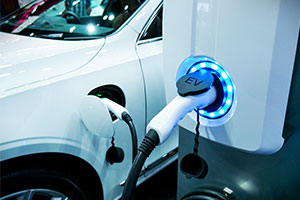
Electric cars have been around for over a century, and yet they are only just beginning to become a driving force in the industry. With cars rapidly changing, thanks to technological advances, autonomous cars are expected by 2020. An all-electric car future, how likely is it? It’s likely to take time but there is an expectancy that an all-electric car future is going to happen. Ministers have been informed that most new cars will need to be electric by 2030. With a 27% increase in electric car purchases, compared to previous years. If the government is to reach a target of 3 out of 5 cars to be electric within 10 years more needs to be done to make this a reality. The buzzword at the Frankfurt Motor Show in 2017 was ‘electrification’. This meant that every car of a certain brand will be available in an electric version. While there are currently models such as the Smart car available under its umbrella, Mercedes’ parent company, Daimler, announced at the German event that they too would have electric versions of its own fleet by 2022. Why not check out one of the many Mercedes A Class Finance plans that they have? There’s plenty available! However, this didn’t necessarily mean that they would be a fully electric battery-powered vehicle, as the term could also refer to hybrid models. When can we expect an all-electric future? It’s right that protecting the environment has become a worldwide issue. Whether it’s cutting back on unnecessary plastic usage, or cutting back on emissions, creating a greener environment is at the forefront of our plans. Purchasing an electric car can personally save you money in the long term and Go Ultra Low also claims that a full charge could cost as little as £3, meaning it may cost approximately 3p per mile. One key way to improve our air quality and meet climate goals is by having electric vehicles and new diesel and petrol cars are planned to cease production by 2040. It has been proposed that these vehicles will be off the roads altogether 10 years later. With emission charges already in place in London, other major motorways, including the M4 and M32, are expected to start holding pollution taxes by 2020, meaning that you’ll need to switch to electric cars to avoid these costs. What is being done to accommodate this? There were approximately 12,000 electric car charging points in the UK in February 2017. By July 2018, that figure had risen to over 17,000 across 6,000 locations and by January 2019, Zap Map reported that that figure was closing in to the 20,000 mark. Worldwide, there are over two million ports, but for the public to go fully electric, this number will have to dramatically increase. Not only that, but there will have to be a lot more batteries produced, and the power to charge them would have to be generated somewhere. EV charger installation is now a big part of the action plans for power companies as they bid to provide a low-carbon connection gateway. Why are electric cars popular? There’ll always be the power to utilise thanks to electricity being increasingly provided by renewable sources. Also, the price of electric cars is steadily coming down, making the initial outlay a lot less hefty. They also need a lot less maintenance care, as they have 10-times fewer moving parts to cars powered by diesel or petrol. As electric cars steadily increase in numbers as the government continues its push for the ‘electric takeover’ it’s evident that, one day, we are likely to see an all-electric future. Whether it happens in the time frame proposed, we will just have to wait and see! Take a look at our article on the Electric car revolution which is set to create over 1 million new jobs
SELECT Raises the Alarm on New Smoke Detector Regulations
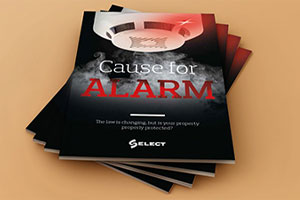
A campaign to raise public awareness of new safety regulations affecting all homes has been launched by SELECT, Scotland’s leading trade body for the electrical industry. Under the new laws, every residence throughout the country must have an interlinked warning system for smoke, fire and carbon monoxide detection by 1 February 2021. To help comply with the new regulations, SELECT has produced an eight-page brochure with clear step-by-step guidance on exactly what is required. The brochure will be handed out by SELECT’s 1,250 members to homeowners, tenants and landlords. It identifies the types of alarms specified for use and exactly where they should – and shouldn’t – be installed around the home. The guide, which has been developed in partnership with the alarm company, Aico, also provides similar advice on carbon monoxide alarms, as well as giving an introduction to the Tolerable Standard and Repairing Standard. Dave Forrester, Head of Technical Services at SELECT, said: “Although consumers and landlords don’t need to comply with the new regulations until 2021, it is vital to raise awareness about exactly what needs to be done. “This new support tool is designed to give an easy-to-follow overview of the changes, helping people across Scotland understand what they have to do and why. Our technical team are also happy to help with any further enquiries.” Under the new regulations, it will be the property owner’s responsibility to meet the new standards. The minimum safety regulations are: one smoke alarm in the room most used for general daytime living one smoke alarm in every circulation space on each storey, such as hallways and landings one heat alarm in every kitchen, and carbon monoxide detectors wherever there are carbon-fuelled appliances such as boilers, fires, heaters and stoves. A copy of the leaflet can be downloaded here. For print copies of the safety regulations, call SELECT on 0131-445-5577.
Disturbing EU-wide scale of WEEE non-compliance
The results of a multi-national study into non-compliance of products sold through online marketplaces were revealed at a workshop hosted in Brussels on 6 November by EucoLight. EucoLight, the European Association for lighting WEEE compliance schemes, undertook a study of over 4200 products made available for sale through online marketplaces in 10 EU countries. The results showed an exceptionally high level of non-compliance with national WEEE requirements. The non-compliance was evident across a wide range of product groups. However, smaller products, such as LED lightbulbs, were particularly problematic, with non-compliance in the range of 78-100%. Recolight CEO and former EucoLight Vice President Nigel Harvey said “The high level of evasion of WEEE obligations this study has uncovered is truly shocking. This is non-compliance on an industrial scale.” He went on “It was therefore very pleasing to hear that a number of countries, including the UK, are considering a range of different solutions to address the issue. This patchwork approach could make compliance more awkward for the online marketplaces, but it is the only way to address the problem quickly.” Natalia Sierra Conde, Director of Institutional Relations of Ambilamp Spain, and Chair of the EucoLight Policy Working Group said “Making multi-seller online platforms responsible for compliance is the simple solution. There are far fewer organisations reporting data, which makes audit checks and monitoring easier. And the risk of avoidance of financial obligations is much reduced.” Commenting on the outcome of the discussions, EucoLight Secretary General Marc Guiraud said “When considering which approach to adopt, EucoLight actively encourages all Member States to require online marketplaces to fulfil the role of producer, in respect of all product brought into the national territory via their platform.”
How to stay safe on the road this winter… or pay the consequences
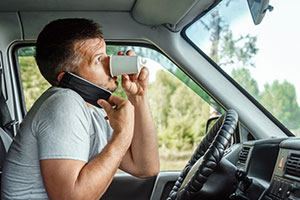
I heard a joke the other day about a van full of penguins and it got me thinking about whether it was legal to transport wildlife in the back of a van, and then I was sucked into the internet looking at the perils of driving for work. As an electrician, you’ll be on the road every day, rain or shine. So how do you manage your journey? Are you fiddling with the sat nav, retuning the radio, chatting on the phone (on hands-free, of course!) or dreaming about your next holiday? Do you leave it a bit late every day and take any opportunity to push the speed limit boundaries? In the electrical trade, you’re likely to have your own van or be provided with one by your employer. Let’s explore the consequences of driving unprepared and the things that can (and do) go wrong for regular drivers. The Health and Safety Executive (HSE) estimates that a third of all traffic accidents in the UK involve someone who was working while driving. It is believed that working drivers may also account for as many as 20 fatalities and 250 serious injuries every week. If you’re rushing to get to your destination and push the speed limits, you could be up for a minimum penalty of £100 fine and three penalty points added to your licence. You could lose your licence if you build up 12 or more penalty points within a period of three years – and that’s the end of your job. And you still have to go to court if you plead not guilty. Then if the court decides that you are guilty of speeding, you can be fined more and get higher penalty points. The amount you’re fined depends on what the speed limit was and how much over it you were driving. It’s usually a percentage of your weekly income, up to a maximum of £1,000 (£2,500 if you were driving on a motorway). Did you know it’s illegal to hold a phone or sat nav while you’re driving or riding a motorbike? You need to have hands-free access. If you’re not in full control of your vehicle, the police can stop you. Then if they think you’re not in control because you’re distracted, you can be prosecuted. This still applies if you’re stopped at traffic lights or queuing in traffic, and you’ll get six penalty points and a £200 fine if you use a hand-held phone when driving. You also get three penalty points if you don’t have a full view of the road and traffic ahead or proper control of the vehicle because your sat nav’s in the wrong place. It’s tough if you are working on your own and having to balance getting work and delivering a service. There are often calls to be made to arrange the next job or chase money. And while driving might seem like dead time, it’s not the time to be making these calls. Just do them between jobs, or when you get home. Your bosses can also be prosecuted if they cause or permit you to drive while using a phone or not to have proper control of a vehicle. They’re not allowed to require you to make or receive calls while driving, and if you drive dangerously because you’re using a phone installed by them, they’ll end up in court too. Are you aware of the weight of all the stuff in your van whilst driving for work? Vans and lorries can be stopped and checked by the DVSA. If the model’s Gross Vehicle Weight (GVW) is above the maximum permitted, you’ll be fined, and could be stopped from driving any further. The amount of the fine will depend on how much the vehicle has gone over the legal limit. And if your van is overloaded to a point where it’s a real hazard to other road users, you can be charged with dangerous driving and may go to jail. According to the DVSA, eight in 10 vehicles are stopped because they are overloaded and 54% of vans are found with serious mechanical defects. Keep a check on your tyre treads as you must have a minimum 1.6mm of tread left over the central three-quarters of your tyres. Below this, the rubber is deemed illegal and you risk a fine of up to £2,500 and three points on your licence for each bald one. Do you know what’s in the rubbish you’ve just loaded up after a job? The Carriage of Waste Regulations says that anyone transporting waste as part of their normal business (whether it’s their waste or someone else’s) has to register for a Waste Carriers Licence. This includes contractors like carpet fitters carrying old carpet, plumbers carrying old sinks, landscape gardeners carrying shrubs or trees, and builders carrying rubble and plaster. Without a licence, you could be fined up to £5,000. Take special care of transporting waste that may contain harmful substances such as asbestos or other dust that could have a serious effect on your health. How is your driving affected by the weather? It’s that time of year when you may face ice or snow on the roads and its best to be prepared for it. Carrying salt, a spade and an old mat in your van may make the difference between getting to your job or not. Check your breakdown arrangements and keep warm clothing in your car as it can take a long time for the services to arrive in very bad weather. Slow down and keep your distance. Stopping in snow or on wet roads can require a lot more space. Can you see where you’re going? Or are you too tired to drive? You should have regular eye tests to make sure your vision is good enough to drive on the roads. If you’re taking any form of medication, make sure that it will not impair your driving or cause drowsiness. And finally, if you’re feeling tired, pull over and have a nap or do some exercise. Better to arrive late than not at all! Do you employ others to drive for work? If you’re the boss, everything above applies to you. But it’s also essential that your company’s health and safety policy should include guidance for your employees on how to stay safe and minimise the risks they may face. You may even give training or specific guidance for regular drivers. You should make sure that you: Have done a risk assessment for driving on company business Your company vehicles are properly maintained and inspected with records kept Your staff are given realistic schedules of journey times to ensure they are not stressed when driving Consult with employees about health and safety. Stay safe on the roads this winter. For more information about being safe on the road whilst driving for work please visit https://www.thsp.co.uk/business-safe/
Scottish electricians raise over £5,000 for electrical industry charity

More than £5,000 has been raised by Scottish electricians SELECT, the trade body for electrical professionals in Scotland, for the UK’s leading charity devoted to those working within the industry – Electrical Industries Charity. A charity which provides practical support services and financial relief to the 1.3 million people who work throughout the UK in the sectors relating to energy and electrical. Over the last year, the Electrical Industries Charity gave out more than £400,500 in direct financial assistance, as well as providing more than 7,400 people with non-financial support. The majority of the money that is raised for SELECT came through the annual SELECT Awards which were held earlier this month (October) in Glasgow. Over 350 people got together at the Raddison Blu hotel in order to help pay tribute to the leading talent within the Scottish sector. The awards this year, were hosted by the radio and tv personality Shereen Nanjiani and was though to be the biggest ceremony to date, raising more than £3,000 in their charity raffle and saw three lucky winners walking away with some wonderful prizes. SELECT President Kevin Griffin states that, “The support from Scotland for the EIC’s great work has been amazing, and reflects the valued place this charity holds within our sector.” At the beginning of June, SELECT held a Predidents walk which took place at Chatelherault Park in Hamilton and saw more than 50 walker taking on the 5-mile Green Bridge Trail. This event was dedicated to Jim McArthur, a past SELECT president and the former chairmen of the Lanarkshire Branch, who sadly passed away last year. A Teddy Bear’s picnic was held later in June, and brought together the organisation’s staff members and their families for a fun filled day, including face painting, games and entertainment. At this event the charity managed to raise a further £500 for the EIC. “Set up at a time when charities were in their infancy and safety nets such as unemployment benefits, state pensions and a national health service had yet to be thought of, the EIC has been providing assistance for more than 100 years to industry colleagues who have fallen upon hard times. The wide variety of services on offer from the EIC have been a major component in creating and maintaining the thriving industry which we work in today.” explained Kevin Griffin. As well as financial assistance, the Electrical Industries Charity also provides counselling over the phone, advice for those in debt along with support for carers, scholarships and bursary schemes, as well as legal and career transition advice. All of which are free and confidential and open to those who currently work or have previously worked in the electrical industry. Tess Ogle, managing director and CEO of the EIC, said: “We are extremely grateful to SELECT for their continued support. Thanks to their many ongoing events, and the generosity of their staff and members, we are able to continue our vital work, helping electrical workers and their families throughout the industry.” For more infomration please visit https://www.select.org.uk
SR5 van racking receives Plus X Award
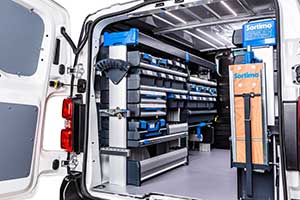
The SR5 van racking system from Sortimo International has won the prestigious Plus X Award as “Best Product of the Year 2019”. In addition, the market leader for van racking and smart mobility solutions can boast four of the seven seals of approval for the innovative racking system’s outstanding brand quality. SR5, the new and innovative racking system presented by Sortimo International at the IAA Commercial Vehicles 2018, was recently awarded the title “Best Product of the Year 2019” in the category “Automotive Accessories” by the expert judges of the internationally renowned Plus X Award. Sortimo is delighted with the award, which confirms it’s van racking solution as a sustainable, innovative and ground-breaking product in the automotive sector. The Plus X Award is the world’s greatest innovation award for technology, sport, automotive and lifestyle and honours brands for their superior quality and innovative edge. Sortimo’s SR5 van racking system won over the international panel of experts, consisting of representatives from more than 80 different sectors, with the quality of it’s products in two respects and was furthermore awarded four of the seven Plus X Award seals of approval as a sign of brand quality: high quality, functionality, ergonomics and design. With the new SR5 racking system, Sortimo enables tradespeople, service engineers and fleet customers to organise their workplaces perfectly in the tightest of spaces. Thanks to SR5, internal company processes can be further optimised, and workflows become much more targeted and efficient, which contributes to an increase in productivity in everyday working life. The van racking features impressively narrow dimensions, as it makes optimum use of the available cargo space in the van. SR5 offers a highly efficient mobile working environment as well as full integration of tools, machines and consumables beyond system boundaries thanks to a wide range of customisation options via the van racking configurator mySortimo configuration. For more information please visit www.mysortimo.co.uk
Hamilton launches CPD on smart lighting control

Hamilton Litestat has launched a CPD training programme entitled: An ‘Intelligent’ and ‘Smart’ approach to lighting control. Accredited by ‘The CPD Certification Service’, its aim is to educate about new technologies and help trainees and qualified electrical wholesalers/installers up-skill in the area of smart lighting control. With technology moving at such a fast pace, CPD training helps to ensure that academic and practical qualifications do not become obsolete. Hamilton’s CPD focused on smart lighting control is designed to encourage proactive learning as well as help identify and capitalise on valuable new business opportunities within the growing smart control sector. The CPD provides an overview and history of the lighting control sector; an appreciation of where it can be used; an introduction to smart lighting control and the different protocols currently on offer; the integration of other smart control applications such as blind control, and an introduction to smart audio control. “During its 50 years, Hamilton has played a leading and forward-thinking role in the development of lighting control technologies – from the simple switch through to intelligent dimming and today’s smart controls. The company is well-placed to provide CPD training to both qualified and trainee installers,” says Gavin Williams, Hamilton’s Head of Marketing. “The CPD provides details on the latest lighting technology to suit the residential, hotel, commercial and retail sectors, as well as exploring smart audio control solutions too, which are increasing rapidly in popularity.” The programme, which takes one hour plus questions, is delivered by Hamilton’s knowledgeable staff and can be undertaken at the company’s Bristol headquarters or London showroom. To book this accredited CPD module, contact Alison Osmond on 01747 860088 or email her on cpd@hamilton-litestat.com The CPD training programme is part of Hamilton’s on-going commitment and investment in training, supporting installers to upskill and keep abreast of the latest smart control technological developments, as well as helping those undergoing their initial training in order to help bridge the industry’s current skills gap. The family-run British business recently became a member of CEDIA and is now an approved Continuing Education Unit (CEU) Provider. Its training courses held at its Mere facilities contribute four CEUs towards the 30 CEUs CEDIA-certified professionals need within three years.
